


Project Ponderosa: Rebuilding Communities Through Better Housing
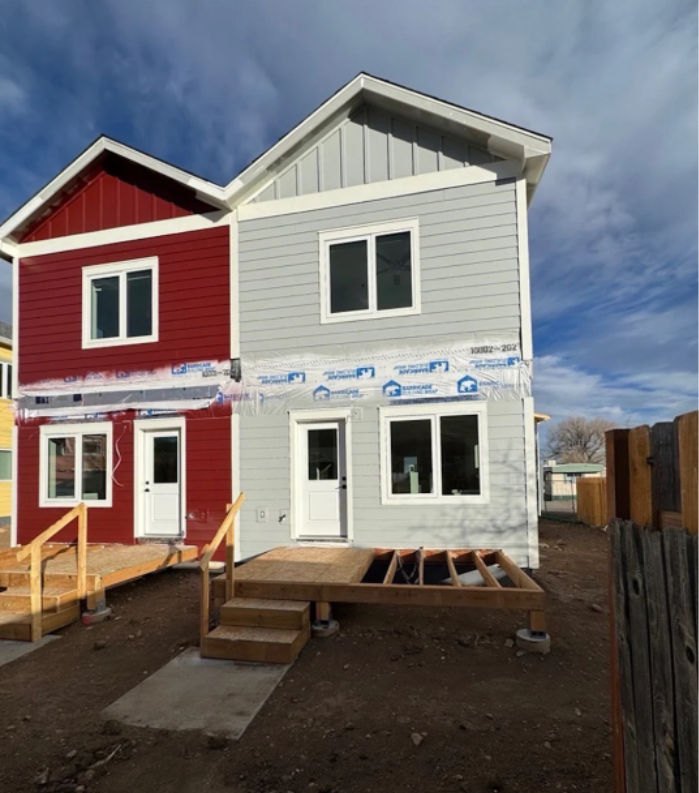
In the wake of Boulder, Colorado’s devastating 100-year flood in 2013, an entire community was lost. What followed wasn’t simply a rebuilding effort; it was a rethinking of how housing could be delivered in a way that’s more resilient, more affordable, and more sustainable, as well as more connected to the people it serves.
Recently highlighted by Fast Company, Project Ponderosa represents that shift. Through a partnership between the City of Boulder, Flatirons Habitat for Humanity, and the Boulder Valley School District (BVSD), the project pairs modular construction with passive house design to deliver durable, high-performance homes, faster and with greater long-term value for families.
Just as importantly, it’s building something less visible but equally critical: local capability. How homes are designed, built, and delivered, and who gains the skills to do that work well, are being intentionally developed.
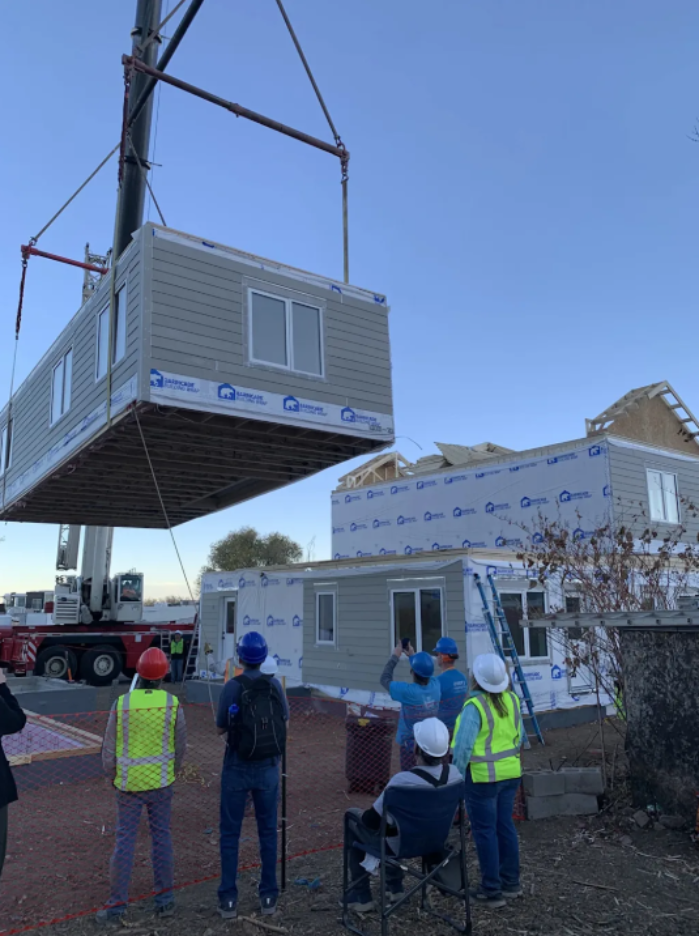
From Factory Floor to Front Door
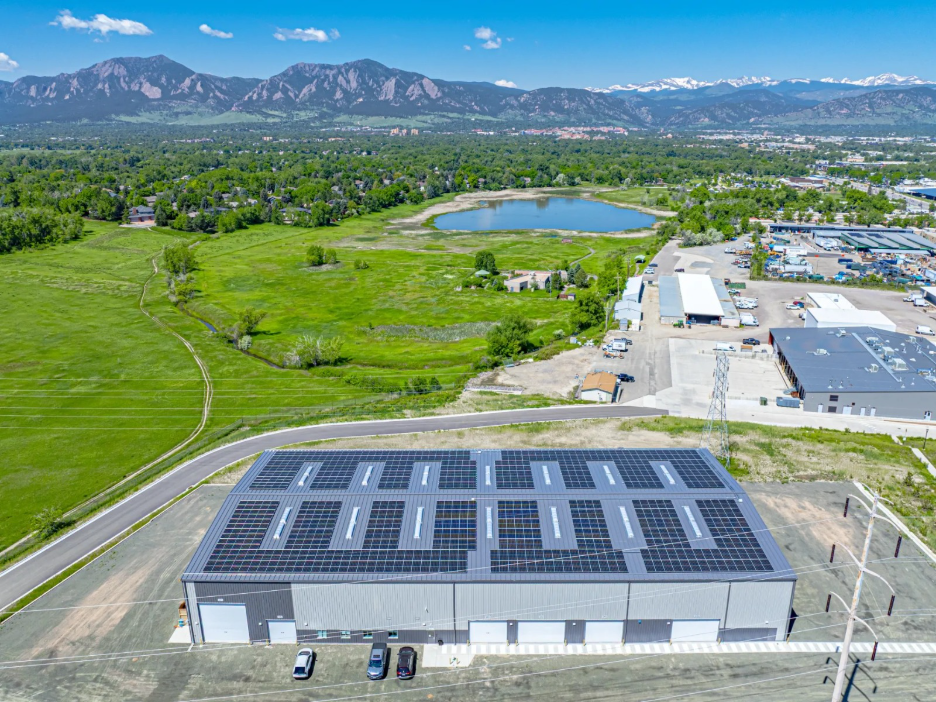
At the center of Project Ponderosa is BoulderMOD, a modular housing factory created to shorten delivery timelines and improve quality control. Homes that once took close to a year to complete can now be delivered in roughly twelve weeks without sacrificing building performance or durability.
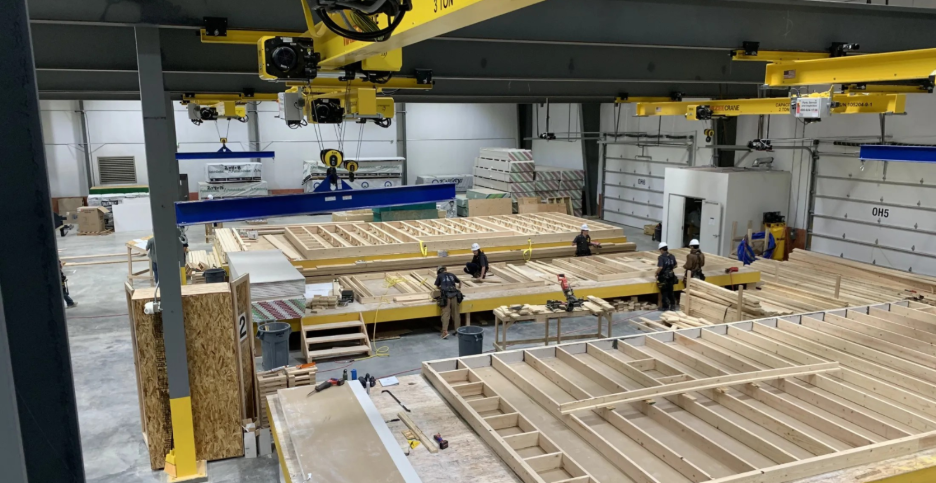
That performance matters. These energy-efficient homes are designed to maintain comfort through Colorado’s harsh winters, manage moisture effectively, and keep long-term operating costs predictable and low for the families who live in them.
In affordable housing, durability, comfort, and low operating costs aren’t tradeoffs; they’re inseparable. Families feel the difference when all three are delivered together.
Achieving those outcomes requires careful coordination across every part of the building envelope, especially at window openings, where air, water, and thermal performance converge. High-performance components only deliver on their promise when installation details, sequencing, and tolerances are executed correctly, and when energy modeling assumptions translate into real-world conditions.
Building Skills While Building Homes
One of the most unexpected (and promising!) elements of Project Ponderosa is BVSD’s APEX program for high school students. Instead of simply observing mock builds or simulations, the students are getting the opportunity to work on real homes, with real accountability and real construction standards.
That hands-on experience does more than introduce students to skilled trades. It connects education directly to building performance, durability, and craftsmanship, raising quality across the project while preparing the next generation of builders to work to higher standards.
By tying workforce development to real-world construction outcomes, Project Ponderosa strengthens both the homes being built today and the local building capacity that will shape the communities of tomorrow.
A Blueprint Worth Scaling
Affordable housing conversations often focus on constraints: funding gaps, labor shortages, and regulatory hurdles. Project Ponderosa offers a different lens. It shows what’s possible when workforce development, modular construction, and building science are designed to reinforce one another.
The results are tangible:
- Homes are built faster without compromising quality
- Families benefit from comfort, durability, and lower operating costs
- Students gain skills that translate directly into future careers
- Communities preserve housing affordability in places under increasing pressure
Project Ponderosa is more than a response to a past disaster. It offers a forward-looking model for how communities can rebuild with intention, aligning collaboration around building performance and long-term outcomes.
It’s a model worth paying attention to, and one worth scaling.


.png)
