


Was 2025 ‘The Year of Thin Glass’ in the Building Industry?
Or was ’25 simply setting the table for ’26?
By Avi Bar
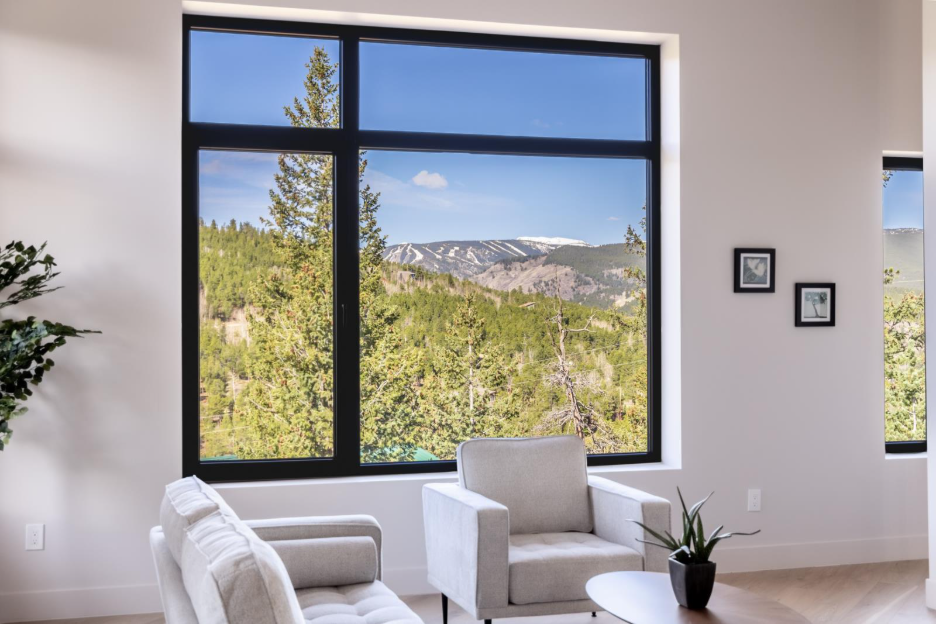
2025 wasn’t the year thin glass was invented. It was the year when the conditions for mass adoption finally came together.
Thin glass had already been proven in real buildings and real projects. What changed in 2025 was scale and what that scale unlocked: higher-volume production, expanded capacity, and a cost structure that made thin glass viable not just for targeted commercial applications, but for broader commercial and residential adoption.
That shift mattered because it moved thin glass out of the category of ‘high-performance exception’ and into the realm of a repeatable, manufacturable solution that can be deployed across multiple markets. Once capacity and cost began to align, thin glass stopped being limited by where it could be used and started being defined by where it should be used.
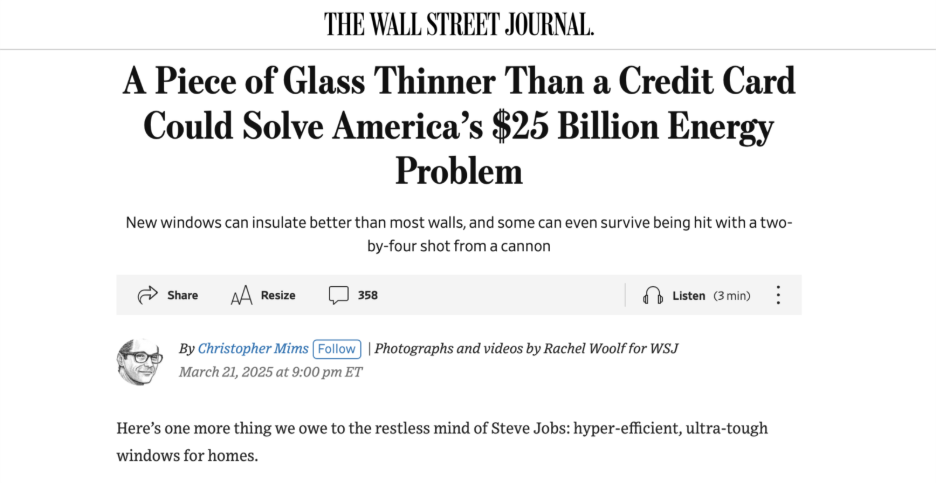
That inflection point showed clearly how the industry paid attention. In 2025, thin glass was featured in the Wall Street Journal’s weekend edition twice (March and November), Fast Company Magazine, The Architect’s Newspaper, on the cover of DWM’s July/August issue and a host of other articles in the glass trades, building trades and the local media in Colorado. This attention was not driven by novelty. It reflected recognition that thin glass had reached a point where it could materially affect energy exposure, code compliance, domestic manufacturing, and the economics of commercial building envelopes at scale.
Why 2025 Was Different: Convergence
Thin glass didn’t scale in a vacuum. Its acceleration in 2025 was driven by a broader convergence of commercial, residential, and regulatory forces reshaping how buildings are designed, regulated, manufactured, and sourced.
First, energy economics shifted decisively. Higher energy costs, peak demand spikes, grid constraints, and electrification made building envelope performance a financial issue, not just a sustainability goal. As utilities place increasing pressure on peak load reduction, heat loss and heat gain through windows became impossible to ignore.
At the same time, energy codes tightened across the country, shifting high-performance envelopes from an aspiration to a requirement. Stretch energy codes, municipal mandates, and state-level regulations are raising baseline performance expectations well beyond traditional standards and doing so with increasing speed and geographic reach.
In Massachusetts, the stretch framework has gone beyond incremental efficiency. Communities can adopt the Stretch Code, and many have opted into the Specialized Opt-in Code, which includes pathways that align with Passive House style outcomes and zero energy targets. It is a policy mechanism that turns higher performance from a voluntary choice into a municipal baseline.
In the Pacific Northwest, Washington and Oregon continue to push above-code performance into the mainstream. Washington’s state energy code, based on the 2021 IECC, became effective statewide in March 2024. Oregon adopted a 2025 commercial energy code based on ASHRAE 90.1-2022, effective January 1, 2025, and mandatory after a phase-in period ending July 1, 2025. Oregon also maintains optional ‘Reach Code’ pathways that let jurisdictions and builders' step above baseline performance.
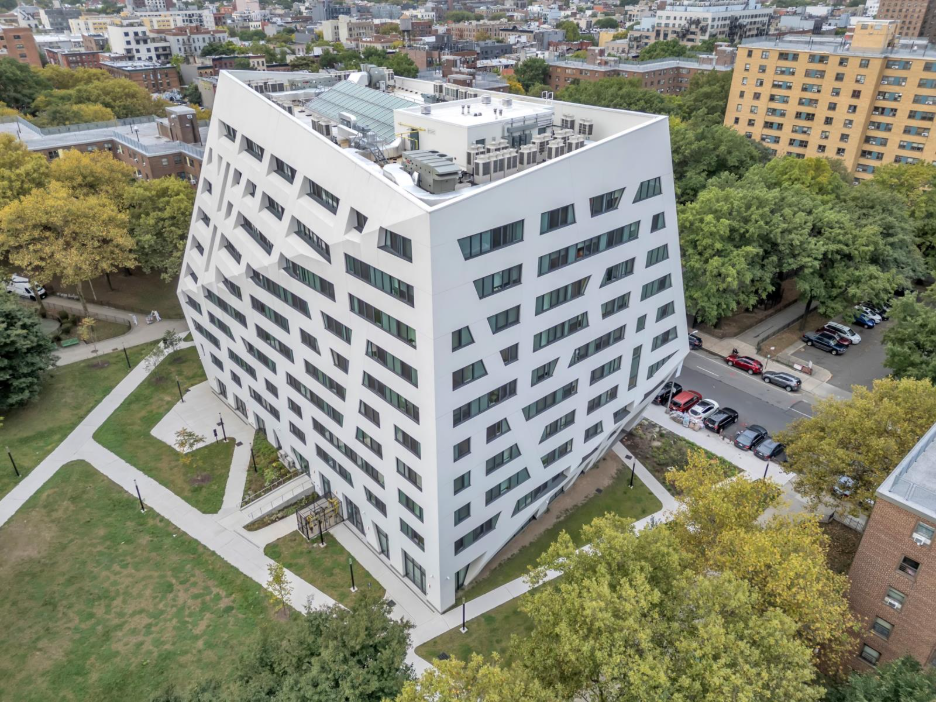
In New York City, Local Law 97 changed the economics of building performance by tying carbon intensity directly to operating penalties. Owners of large buildings now face escalating financial consequences for inefficient envelopes, making window and façade performance a core compliance strategy rather than a secondary upgrade.
In California, Title 24 continues to ratchet allowable energy use through increasingly stringent prescriptive and performance pathways, with a particular focus on peak load reduction, solar heat gain control, and whole-building energy modeling.
In the North Central states, the direction is the same even when the timing varies. Minnesota is in active rulemaking to adopt a newer residential energy code, reflecting the broader trend that cold climate regions are tightening requirements because energy loss at the envelope has become too expensive and too uncomfortable to ignore.
In Colorado and other high growth Western states, adoption is accelerating through a mix of state guidance and local action. Colorado is a home-rule state, so code leadership often comes from cities and counties, and a large share of the population already falls under relatively modern IECC baselines. The result is a widening set of jurisdictions that are effectively stretching the code through local requirements, electrification strategies, and higher envelope expectations.
At the federal and utility level, incentive programs and performance-based compliance frameworks reinforce this shift. Higher-performance windows are increasingly required to unlock rebates, electrification incentives, and grid-interactive building strategies, especially in regions facing peak demand stress and overloads.
Together, these policies force higher-performing envelopes into both new construction and retrofit markets. They also compress timelines. Buildings that might once have delayed envelope upgrades for decades are now being pushed to act within a single capital planning cycle, accelerating demand for solutions that deliver meaningful performance gains without wholesale system redesign.
But regulation alone did not dictate the solution. The U.S. market is geometrically constrained by decades of thinner window and façade standards. Retrofitting North American systems to accept thick European-style triple and quad glazing at scale is a costly, disruptive, and often impractical strategy.
Trade dynamics reinforced that shift. Tariffs, supply chain friction, and a growing preference for U.S.-made building products did create barriers to large-scale European imports, but the more important change was technological.
European window systems once represented a clear performance benchmark, particularly in cold-climate efficiency. That advantage has now disappeared! Thin glass enables equivalent or superior thermal performance within slimmer assemblies that align with North American window geometries and manufacturing practices.
As a result, European systems are no longer the default performance reference point they once were. Between domestic production advantages, compatibility with existing frames, and thin glass–enabled performance gains, the U.S. market no longer needs to choose between performance and practicality.
Thin glass allows both to coexist at scale.
Thin glass changes the equation. By delivering high-performance glazing within existing window geometries and domestic manufacturing ecosystems, it allows the U.S. market to leapfrog legacy European approaches rather than replicate them. Instead of rebuilding framing systems from scratch or relying on imported solutions, manufacturers, builders, and owners can achieve dramatic performance gains within the systems already in place.
In 2025, these forces aligned.
- Rising energy costs created urgency
- Codes created obligation
- Geometry and trade realities created constraint
- Thin glass provided the release valve.
Municipal energy codes are tightening, sustainability goals are becoming mainstream, and building professionals are seeking solutions that offer high performance and affordability.
Thin Glass: Performance Meets Price
In the commercial market, this shift is especially consequential. Façades are not just thermal components. They shape mechanical systems, perimeter zones, and usable floor areas. When next-generation thin triple and quad IGUs are paired with high-performance fenestration framing, they materially increase interior surface temperatures at the glass and frame edges. That directly reduces the conditions that have historically required perimeter heating, deeper mechanical offsets, and compromised edge-of-building space.
The result is not just better envelope performance, but simpler systems and fundamentally different economics.
At the heart of 2025’s shift was thin glass’s ability to deliver more with less
Traditional triple-pane products are heavy and require deeper frames, often limiting design flexibility. Thin glass reduces that weight and thickness while boosting thermal performance, achieving R-values up to R-15 without bulky assemblies.
This performance leap has huge implications:
- Energy savings: Heat gain and heat loss through windows are responsible for roughly 25%–30% of residential heating and cooling energy use. Improving the glazing package can materially reduce HVAC loads, operating costs, and associated emissions.
- Peak load control: In cooling seasons, a large share of solar energy still enters through standard double-pane glazing and becomes internal heat. Higher-performance IGUs, paired with appropriate coatings and SHGC strategy, directly reduce peak cooling demand.
- Design freedom: Using a commercial baseline with 6 mm outer lites, thin-glass multi-pane IGUs deliver conventional triple and quad performance at a fraction of the weight. That weight reduction enables larger glazed areas with fewer handling, structural, and installation penalties.
- Conventional triple (6 mm / 6 mm / 6 mm): ~9.2 lb/ft² (glass-only)
- Thin triple (6 mm / 0.5 mm / 6 mm): ~6.4 lb/ft²
- Conventional quad (6 mm / 6 mm / 6 mm / 6 mm): ~12.3 lb/ft² (glass-only)
- Thin quad (6 mm / 0.5 mm / 0.5 mm / 6 mm): ~6.7 lb/ft²
- Market reach: Because thin glass delivers triple and quad-level performance with slimmer assemblies, it fits existing North American window geometries and manufacturing lines. That accelerates adoption across residential, commercial, and retrofit markets.
Alpen has played a pivotal role in driving thin glass into the mainstream in 2025
Our AlpenGlass division has rapidly scaled production of thin-glass IGUs, supported by strategic leadership hires and the expansion of manufacturing partnerships to serve America’s coast-to-coast demand for energy efficient buildings.
Alpen also strengthened its industry collaboration to connect thin glass performance with the next generation of sleek, modern, high-performance framing.
In late 2025, Alpen officially announced its thin glass collaboration with Corning and its Enlighten™ ultra-thin glass, which serves as the center pane in Alpen’s windows, doors and IGUs. It also announced a partnership with Deceuninck, a global leader in high-performance uPVC systems.
This matters because glass alone is not the whole story. Pairing thin glass IGUs with high-performance uPVC and fiberglass frame platforms makes it possible to deliver very high thermal performance with slimmer sightlines, practical weights, and manufacturable systems that scale.
2025 showed that thin glass can be high-performing, highly practical, and more affordable, especially when it is designed as a complete system with the right frame around it. Its adoption signals a shift in how the built environment meets energy targets for the following audiences:
- Builders and architects can deliver high-performance buildings without redesigning entire envelope systems.
- Manufacturers can integrate thin glass into existing production lines, reducing barriers to adoption.
- Consumers and owners benefit from better comfort, lower operating costs, and long-term value. This momentum is tangible across the industry, with thin glass technologies being implemented, not just in Alpen products and electronic media, but also in broader discussions about energy codes, modeling standards, and high-performance design. Thin glass is no longer a fringe material. It is a critical tool for meeting both sustainability goals and today’s emerging construction demands. Looking Beyond 2025
2025 laid the foundation. 2026 is when the implications become unavoidable
As engineers, architects, and building owners look ahead, next-generation thin triple and quad IGUs will increasingly be evaluated not just for thermal performance, but for how they change whole-building economics. When thin glass is paired with the right high-performance fenestration framing materials, the impact extends beyond U-values and R-values into first costs, operating costs, and usable space.
The unlock is comfort. ASHRAE 55 defines thermal comfort primarily through surface temperature, radiant asymmetry, and air movement, not just air temperature. Standards like ASHRAE 55 explain why buildings feel cold near façades even when air temperatures appear acceptable. Cold interior surface temperatures, radiant asymmetry, and downdrafts have historically forced designers to compensate with perimeter heating systems, deeper mechanical infrastructure, and reduced usable floor area near the building edge.
By materially increasing interior surface temperatures at both the glass and the frame, thin triple and quad systems paired with high-performance frames reduce the conditions that drive that occupant discomfort. In many designs, this opens the door to simpler mechanical strategies, reduced perimeter heating requirements, and the recovery of valuable edge-of-building square footage.
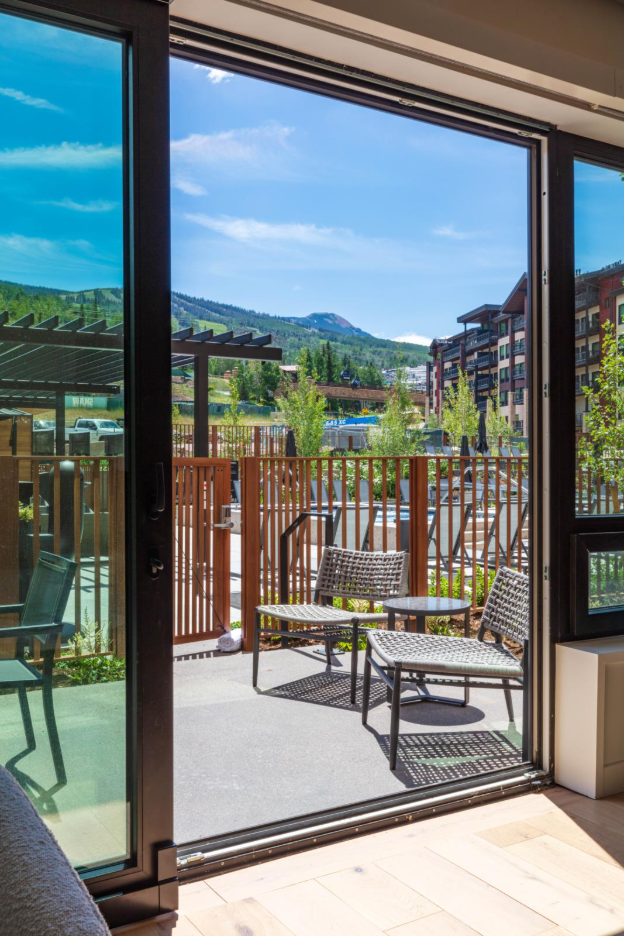
When occupant comfort improves, the economics flip. When the façade stops being the coldest surface in the room, buildings no longer need to be designed around compensating for it. Lower mechanical complexity, reduced perimeter heating requirements, improved energy performance, and the recovery of usable edge-of-building square footage change the cost equation for both first construction costs and long-term operation.
2025 was the year thin glass proved it could scale. 2026 is the year the industry starts designing for comfort and realizing what that really makes possible.
Links to More
• Learn more about AlpenGlass
• https://www.thinkalpen.com/blogs/alpen-secures-18-million-in-financing
2025 Media Coverage Highlights
• https://www.thinkalpen.com/tyrol-architect-newspaper-june-2025
• http://www.thinkalpen.com/thin-glass-door-window-market-july-aug-2025
• https://www.fastcompany.com/91411247/corning-enlighten-architectural-glass


.png)
